Forget the Number: How to Find the Size That Actually Fits You
Have you ever been a size 8 in one style, a 10 in another and a 12 somewhere else, all without your body changing at all?
You're certainly not alone.
They don't make it easy on us, girls!
One of the most confusing things about buying clothes, particularly online, is the number or letter written on the label. We naturally want it to give us a definitive answer: This is my size.
But clothing doesn't quite work that way.
A size label is a useful starting point, but it isn't a measurement of your body and it can't tell you by itself whether a garment will fit the way you want it to.
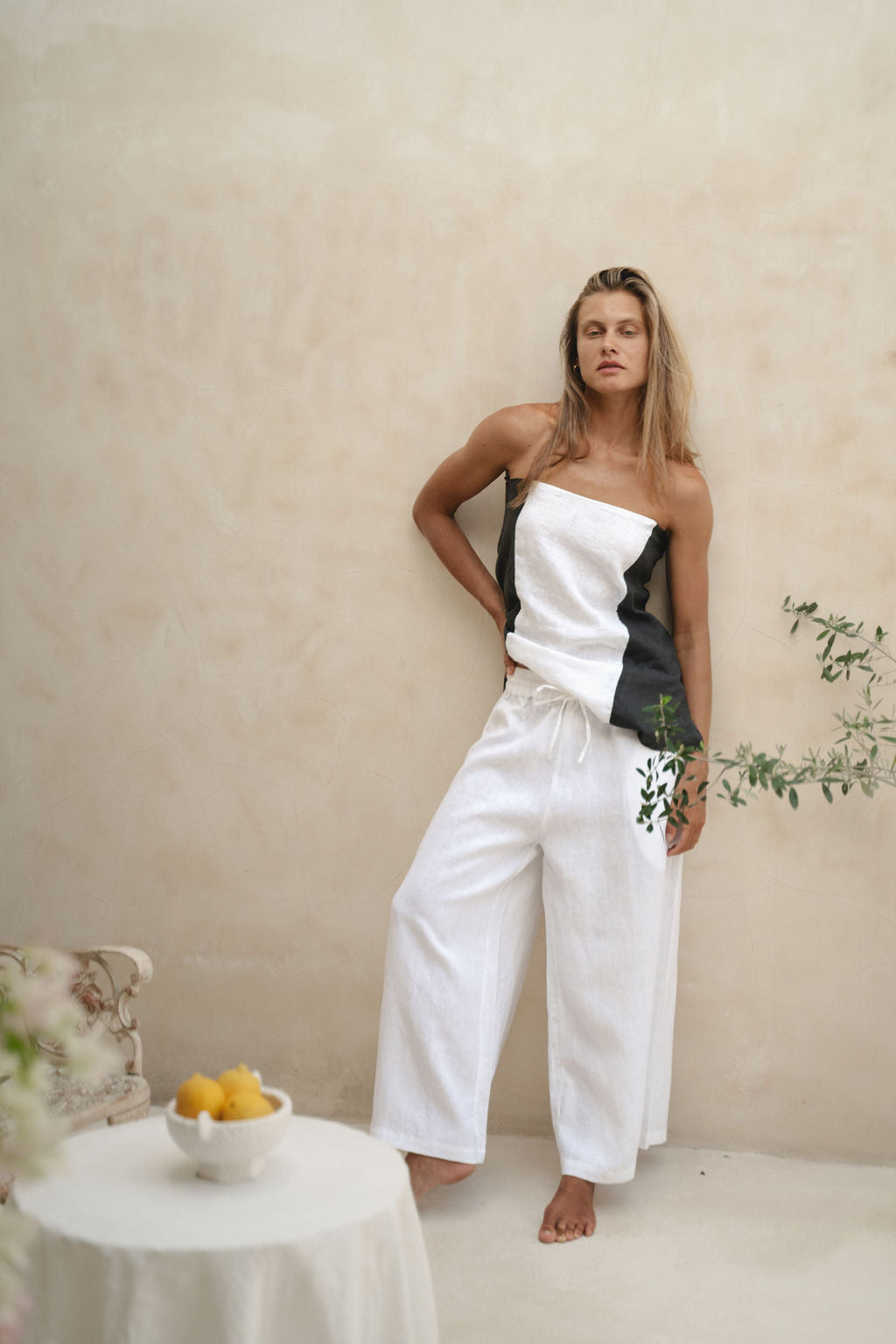
Why your usual size doesn't always fit
Even within the same wardrobe, you may find yourself reaching for different sizes depending on the garment, the brand, the fabric, the cut or simply the look you want to create.
That's because fit is influenced by much more than the size on the label. Fabric, stretch, ease (the extra room built into a garment for comfort and movement), cut and the intended silhouette all make a difference.
Then there's something even more important: you.
We're all proportioned differently.
You might have a fuller bust and narrow waist. A smaller bust and broader chest. Rounded hips or straighter hips. A defined waist or a straighter torso. Longer legs and a shorter torso (or the opposite).
Two women can have very similar overall measurements and still find that the same garment fits each of them differently.
And that's perfectly normal.
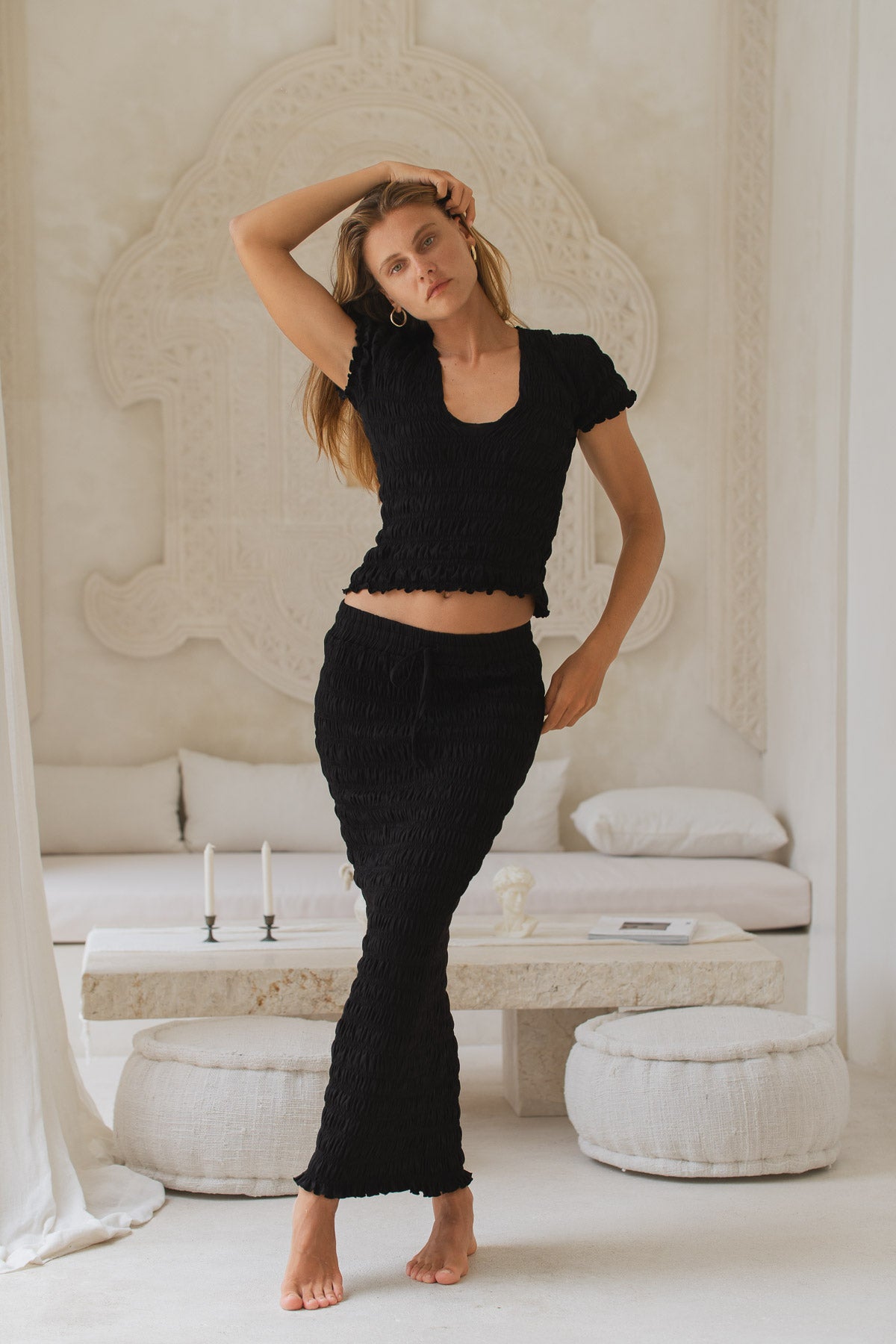
Start with your measurements, not the label
Knowing your bust, waist and hip measurements gives you a much better starting point than simply thinking, I usually wear a Medium or a Size 10.
Take your measurements and compare them with the sizing information for the individual garment rather than assuming your usual size will automatically be the best choice.
For Desert to Ocean pieces, you'll find a clickable Size Guide on each product page, near the Add to Cart button, with the measurements for that particular design. Because every design is different, there isn't one size chart that applies to every piece.
But here's the part that's often missed:
You don't necessarily need every measurement to fall into the same size.
Most of us don't.
Perhaps your bust corresponds with a Medium, your waist with a Small and your hips with a Large. The best size for you will depend on the garment you're buying, where it needs to fit and how you'd like it to sit on your body.
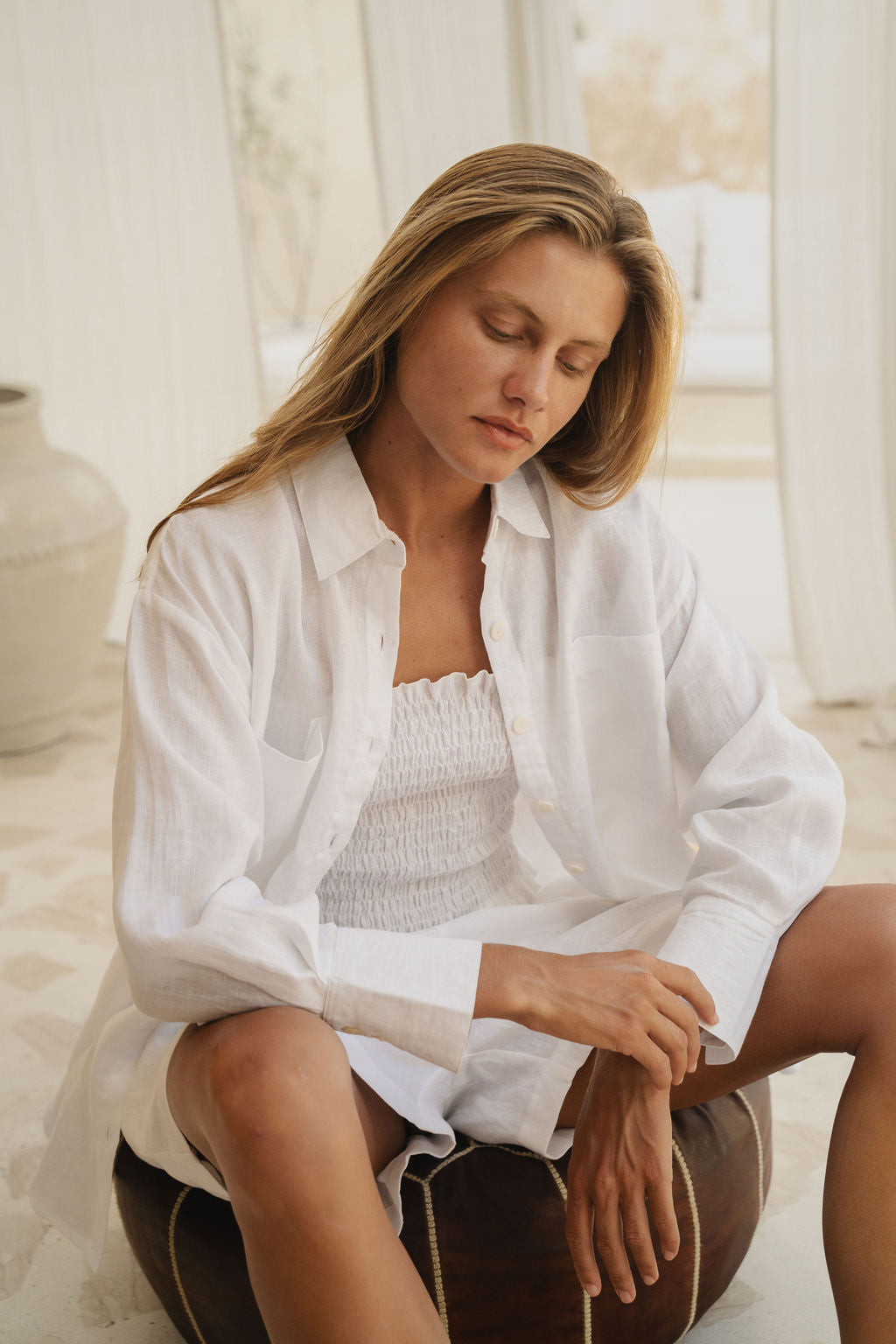
Ask: where does this garment actually need to fit?
This is one of the simplest ways to make a better size choice.
Buying a relaxed oversized shirt? Pay particular attention to the bust, shoulders and intended amount of ease. Your waist and hip measurements may be much less important.
Choosing fitted pants? Look closely at the waist and hip measurements, the rise, the fabric and whether it has any stretch.
Buying a flowing skirt with an elasticated waist? You may have considerably more flexibility than you would with a structured skirt.
Looking at a fitted dress? Bust, waist and hip can all become important, and you may need to choose the size that accommodates the area where you need the most room.
The garment matters just as much as the size label.
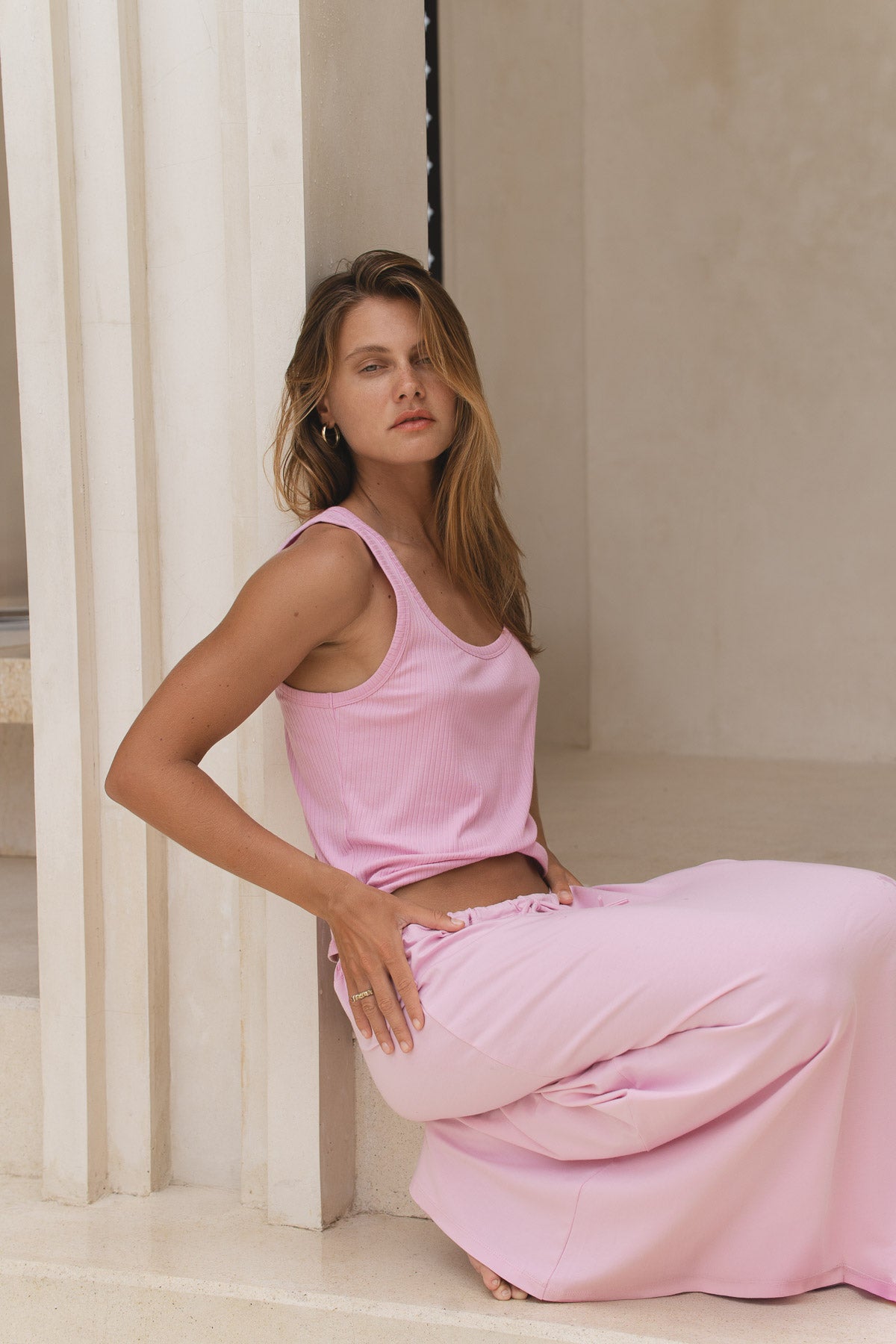
Think about your proportions too
Measurements tell us circumference, but they don't tell us everything about shape.
You might have:
-a fuller or smaller bust
-broad or narrow shoulders
-a longer or shorter torso
-straighter or more rounded hips
-a more defined or straighter waist
-longer or shorter legs
None of these is a "better" shape to have. They're simply proportions, and understanding yours can make shopping for clothes much easier.
It's also why seeing how a garment fits on a model, checking the model's measurements and reading the fit notes can be so helpful when shopping online.
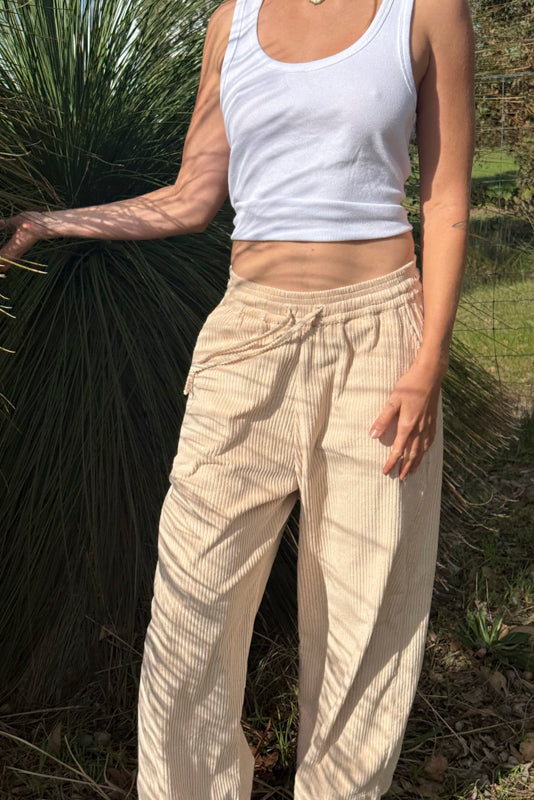
A little more flexibility in the fit
This is also something we think about when designing our own Desert to Ocean pieces.
Rather than thinking of each size as one exact number, many of our designs are created with enough ease to comfortably work across approximately one to two Australian sizes, depending on the individual style.
For example, a Small might be designed to suit approximately an AU 8–10 in one particular style. The cut, fabric, amount of ease and intended silhouette all influence that range, which is why we always recommend starting with the measurements and individual fit notes for the piece you're considering rather than relying on the size label alone.
We like this flexibility because bodies rarely fit neatly into one predetermined size. You may be an 8 through your shoulders, closer to a 10 through your bust and have completely different proportions again through your waist and hips.
That little bit of extra room within a design can help you find the fit that works for your body and the way you want to wear the piece.
It also means there may be some crossover between sizes and that's intentional.
You might comfortably fit both a Small and a Medium in a particular style, but each gives you a different look. The Small might sit a little neater, while the Medium gives you more ease, movement or slouch.
Neither is necessarily the "wrong" size.
This is where your measurements, the garment's fit notes and the silhouette you're trying to create become much more useful than simply asking, "Am I a Small or a Medium?"
We want our sizing to give you a starting point, not put you into a box.
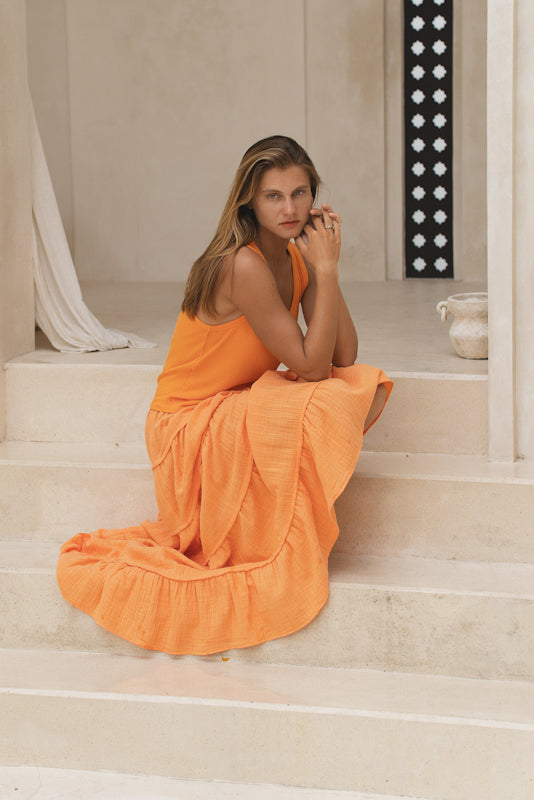
Don't forget the fabric
Fabric can completely change how the same measurements feel on your body.
A structured cotton or non-stretch linen garment has less give than a fabric containing elastane. A bias-cut fabric behaves differently again. An elasticated waistband gives you more flexibility than a fixed waistband.
This is why we include fabric composition and fit information alongside our size guide.
The question isn't only "What size am I?"
A better question is:
"How is this particular garment designed to fit my body?"
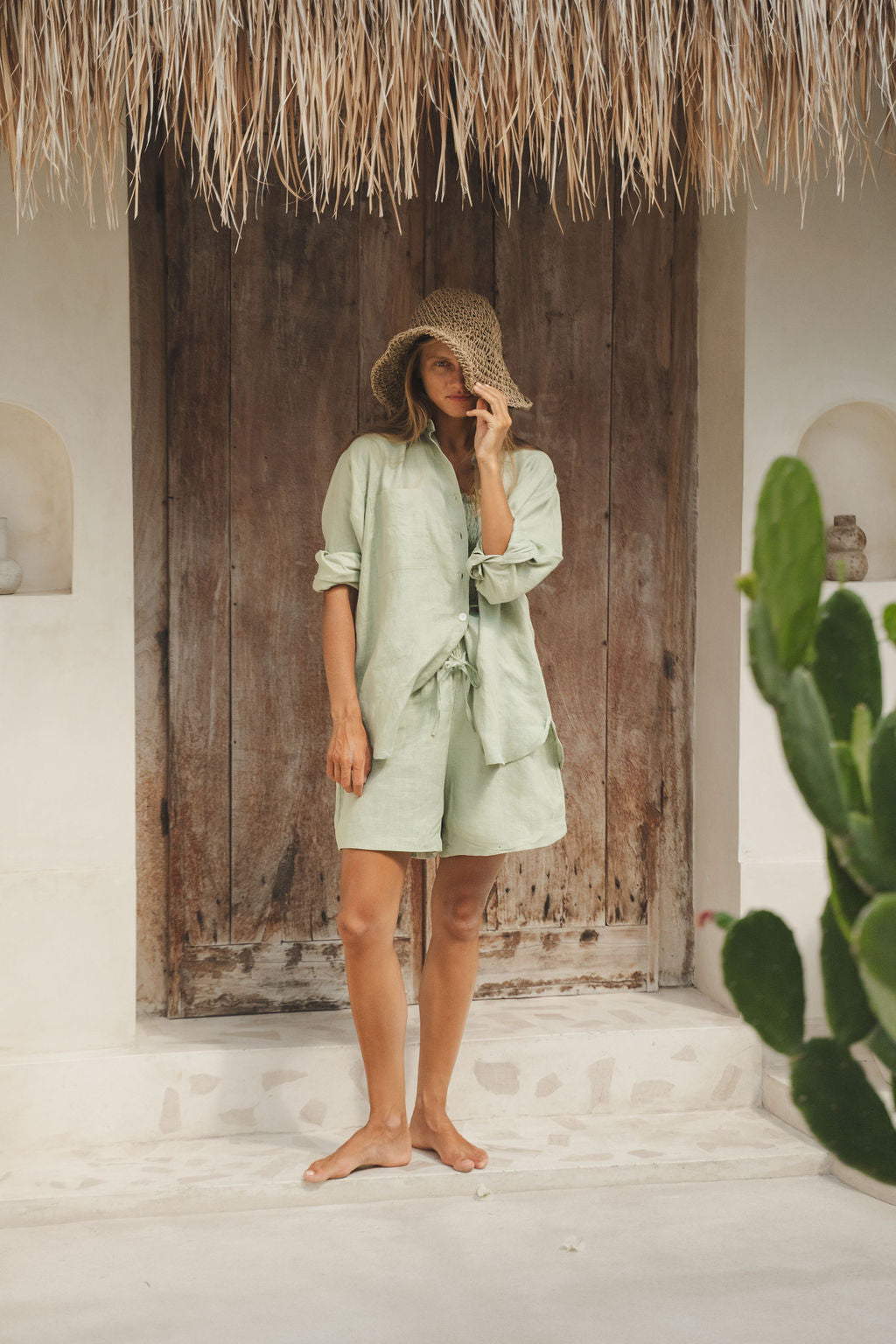
Then ask yourself: how do I want it to look?
This is where sizing can become part of styling.
The size that technically fits your measurements isn't always the size that will create the silhouette you're imagining. Depending on the design, you may be able to size up or down to change the way a piece sits, drapes and moves on your body.
Take a relaxed pair of pants. Your usual size might give you the intended fit at the waist, but you might prefer to size up for a more relaxed, low-slung look, sitting a little lower on the hips with extra slouch and movement through the leg.
Or you might do the opposite. If a style is deliberately oversized and you prefer a cleaner, more tailored silhouette, sizing down may give you the look you're after.
The same applies to shirts. You might choose your usual size for a relaxed everyday shirt, size down for a neater silhouette, or size up because you want to wear it open over bathers as an easy overshirt.
Neither choice is more "correct."
You're simply using fit to create a different look.
Before choosing your size, ask yourself:
Where do I want this piece to sit? How much ease do I want? Do I want it fitted, relaxed, oversized or slouchy? How am I planning to wear it?
Sometimes the answers to those questions are more useful than the size label itself.
Of course, not every garment can be sized up or down in this way. A structured waistband, fitted bust, fixed shoulder, rise or non-stretch fabric can limit how much flexibility you have. Always check the garment's measurements and fit notes first.
But where the design allows it, don't be afraid to use sizing as a styling tool.
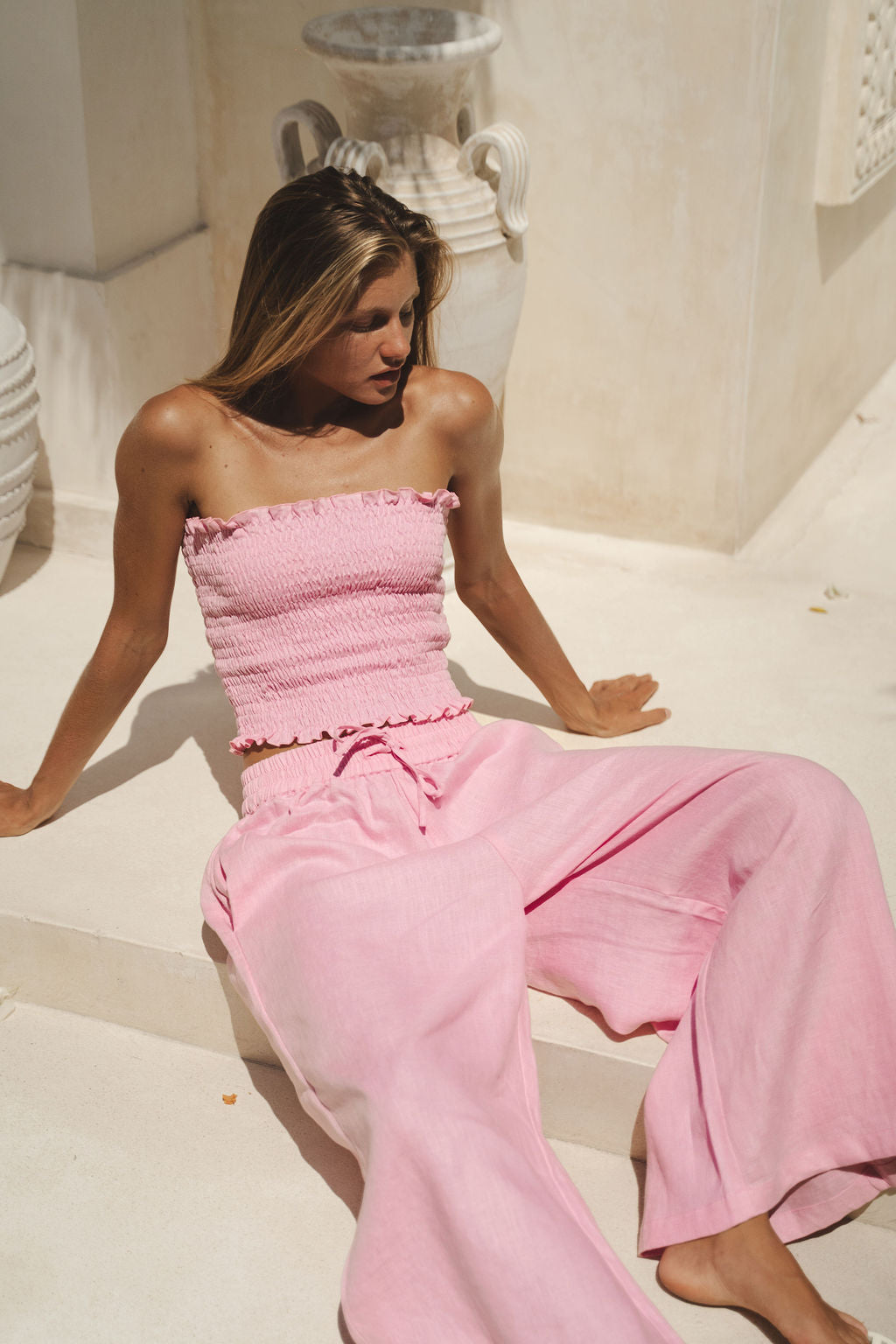
Use a favourite garment as your secret weapon
If you're unsure when shopping online, grab something from your wardrobe that already fits you beautifully.
Lay it flat and measure it.
Compare those measurements with the garment measurements provided by the brand where available, while remembering to account for stretch, fabric and the intended fit.
It can be one of the most useful reference points you have because you're comparing the new garment with something you already know feels good on your body.
Even better, think about why you love the fit.
Is it the way your favourite pants sit lower on your hips? The amount of room in your favourite oversized shirt? The length? The amount of movement?
Those clues can help you choose not only a size that fits, but a size that creates the look you actually want.
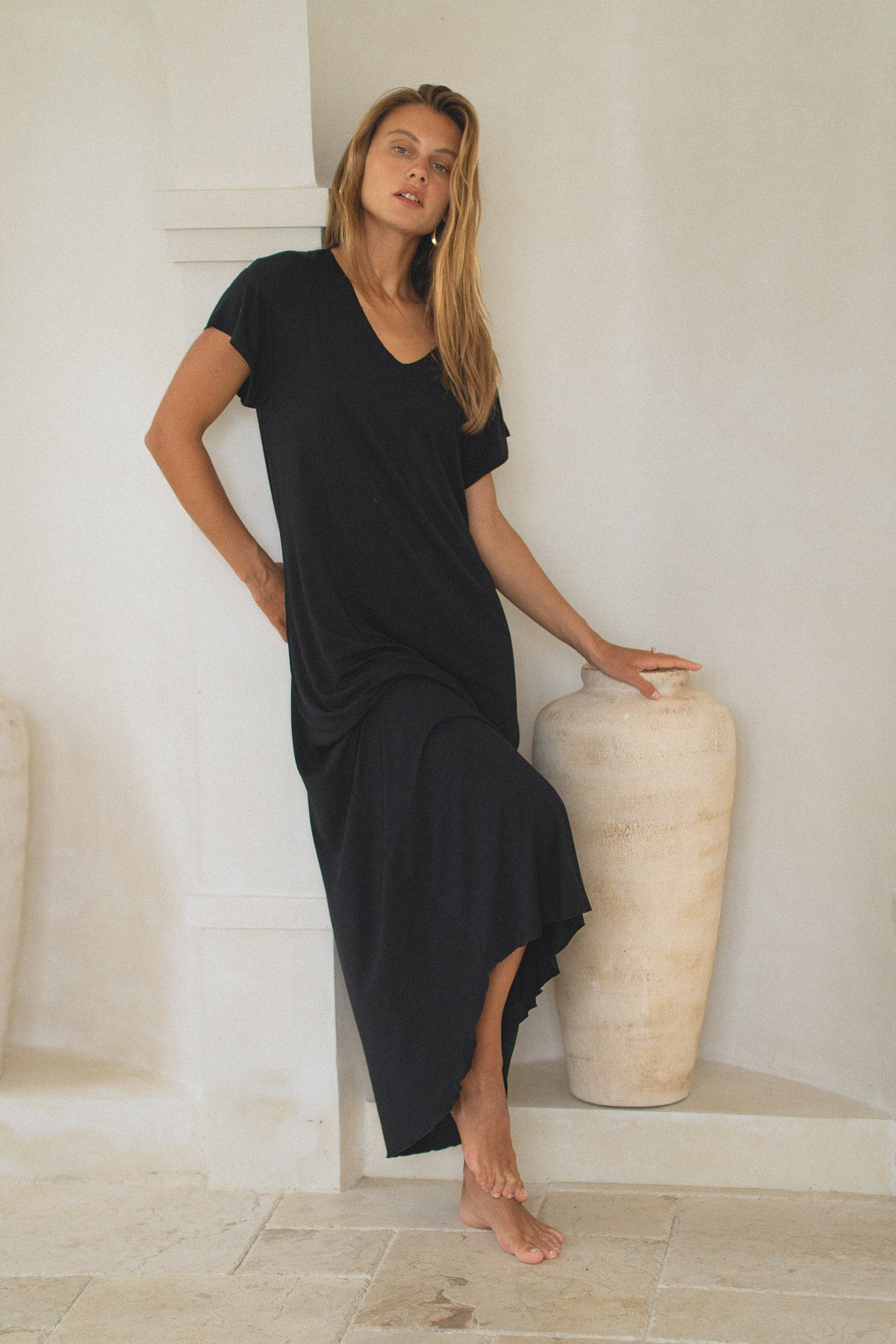
And if you're between sizes?
Don't automatically choose the smaller one or the larger one.
Look at the garment and think about the silhouette you want.
If it's intentionally oversized and you'd prefer a neater silhouette, sizing down might give you the fit you're looking for.
If you'd like a little more slouch, ease or movement and the construction allows for it, sizing up may create the relaxed look you're after.
If it's structured through the hips or bust, you may be more comfortable choosing the larger size.
If the fabric has stretch, you may have more flexibility.
And sometimes the answer is simply that a particular cut isn't the ideal match for your proportions. That's useful information too.
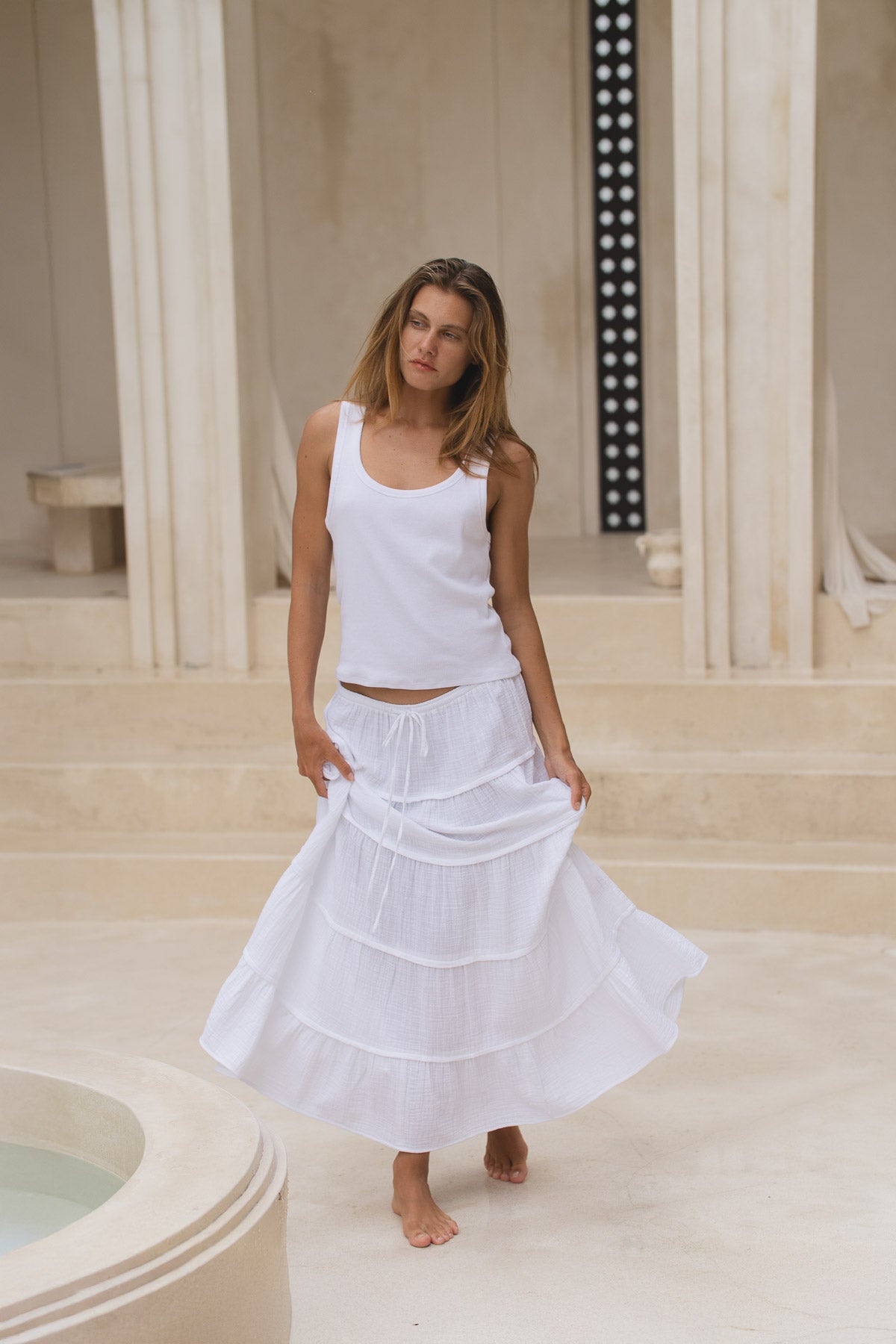
The best-fitting size is the right size
Perhaps the most important thing we can say about sizing is this:
The size label sewn into your clothing isn't a judgement about your body.
If the Small gives you the silhouette you want, choose the Small.
If the Large gives you the silhouette you want, choose the Large.
If you own three Desert to Ocean pieces in three different sizes because each one fits and falls exactly the way you like, that's completely okay.
The goal isn't to fit yourself into a particular label.
It's to find the clothes that fit you to wear them the way you want to wear them.
At Desert to Ocean, we design many of our pieces with flexibility in the fit, rather than expecting every body to fall neatly into one exact size. Our size guides, garment fit notes and How to Measure Yourself guide are there to help you find the size and the silhouette that works best for you.
And if you're still unsure, please get in touch. We're always happy to provide more information about the fit, measurements or sizing of a particular style and help you work out which size is likely to suit your measurements, proportions and the way you'd like to wear it.
Because the right size isn't necessarily the size you expected.
It's the one that gives you the fit, feel and look you love.

Our Aesthetic
Relaxed Luxury, Coastal Ease:
Desert to Ocean’s aesthetic blends the ease of coastal living with refined simplicity. Each collection reflects:
- Soft, coastal‑inspired colour palettes
- Clean lines and effortless silhouettes
- Comfortable, breathable fabrics
- Elevated basics designed for versatility
Our clothing transitions seamlessly from beachside moments to everyday routines — relaxed, wearable, and quietly luxurious.

Who We Design For
Desert to Ocean is designed for women who:
- Value sustainability and conscious consumption
- Prefer quality over fast‑fashion cycles
- Seek natural fibres and thoughtful design
- Appreciate relaxed luxury and timeless style
- Want a wardrobe that supports a coastal, minimalist lifestyle

Capsule Wardrobe Philosophy
We design with a capsule wardrobe mindset, creating pieces that mix, match, and layer effortlessly. This approach encourages mindful purchasing and helps reduce unnecessary consumption.
Each Desert to Ocean garment is intended to work harmoniously with existing wardrobe staples, making dressing simpler and more intentional.

Giving Back
Our connection to the ocean goes beyond design.
Desert to Ocean proudly supports theTangaroa Blue® Foundation, an Australian organisation dedicated to protecting marine environments through the prevention and removal of ocean waste.


Frequently Asked Questions
Is Desert to Ocean a sustainable brand?
Is Desert to Ocean a sustainable brand?
Yes. Desert to Ocean is committed to sustainable practices through responsible material choices, small‑batch production, ethical manufacturing partnerships, and a focus on garment longevity.
Where is Desert to Ocean based?
Where is Desert to Ocean based?
Desert to Ocean is an Australian brand, with all designs created in Australia.
What fabrics does Desert to Ocean use?
What fabrics does Desert to Ocean use?
We prioritise natural and plant‑based fibres such as linen and cotton, selected for comfort, durability, and reduced environmental impact.
Is Desert to Ocean fast fashion?
Is Desert to Ocean fast fashion?
No. Desert to Ocean follows a slow‑fashion, zero waste approach, releasing limited collections designed to last beyond seasonal trends.
Learn More
To explore our story, values, and collections, visit our About Us page or browse our latest arrivals.
Desert to Ocean — sustainable coastal fashion designed for everyday living.


